
Introduction: The Importance of Erosion Control
After a construction project, proper erosion control is crucial to protect the environment and ensure site stability. Without effective measures, water runoff and wind can cause significant damage, leading to soil erosion, sediment pollution, and landscape degradation.
What is Erosion Control?
Erosion control involves techniques and practices used to prevent soil erosion and manage runoff. It is essential for maintaining the integrity of the site and preventing environmental harm.
Key Erosion Control Solutions
- Silt Fences:
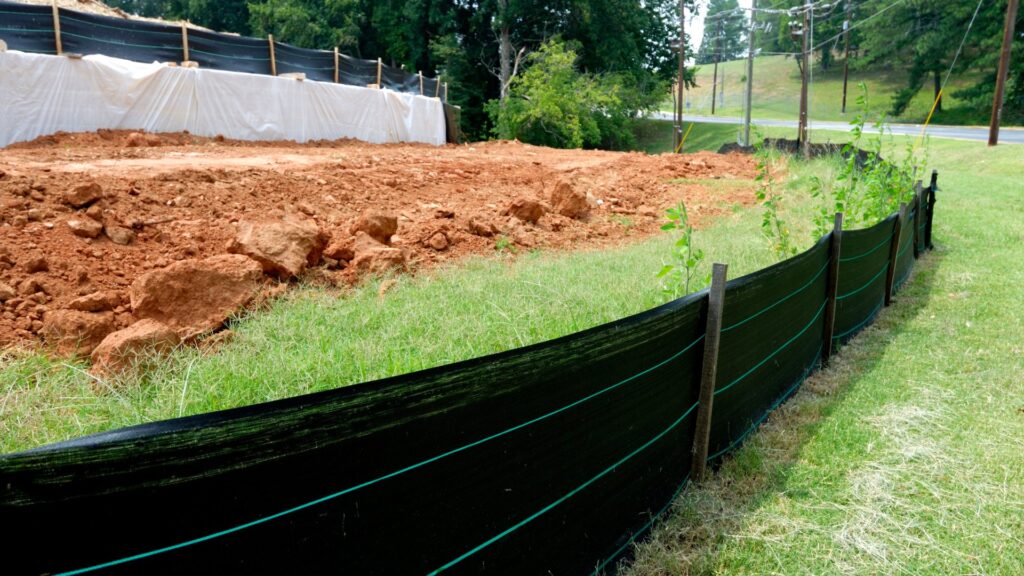
- Purpose: Silt fences are designed to capture sediment and prevent it from entering waterways. They are particularly effective in controlling runoff during and after rainfall.
- Installation: Proper installation involves placing the fence in a manner that intercepts sediment-laden runoff before it leaves the site.
- Mulch:
- Purpose: Mulch helps to stabilize soil by reducing the impact of rainfall and wind. It also promotes vegetation growth, which further helps to bind the soil.
- Types: Options include wood chips, straw, and compost, each suited to different site conditions.
- Retaining Walls:
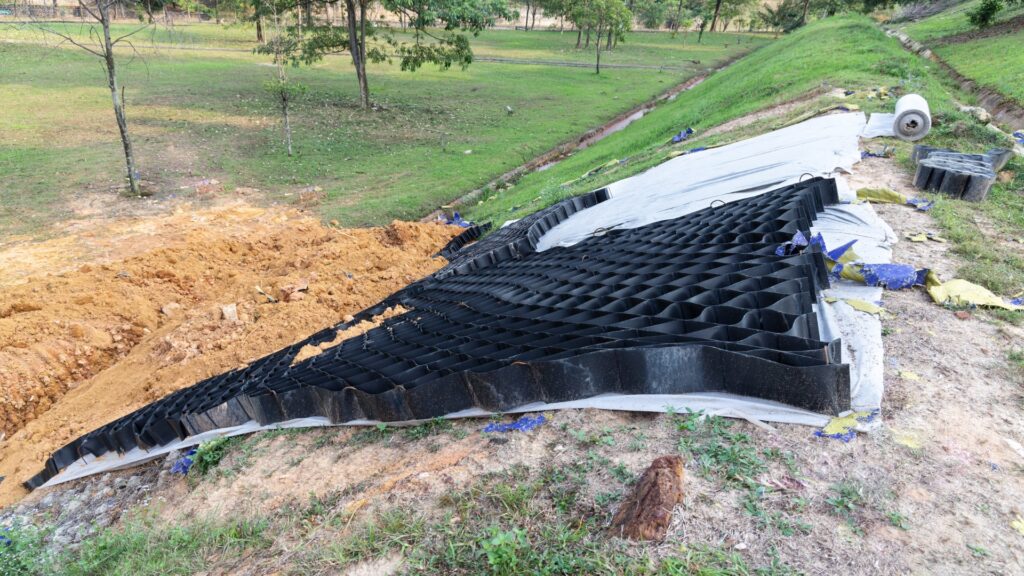
- Purpose: Retaining walls are used to prevent soil from sliding or eroding, especially on sloped sites. They help to create level areas and manage water flow.
- Materials: Common materials include concrete, stone, and timber, selected based on the site’s needs and aesthetic preferences.
Benefits of Proper Erosion Control
- Prevents Soil Loss: Maintains the integrity of the site and surrounding areas.
- Reduces Pollution: Minimizes sediment runoff into water bodies, protecting aquatic ecosystems.
- Enhances Site Stability: Ensures the construction site remains stable and safe for future use.
Ready to implement effective erosion control measures for your construction site?
Contact us today for a free consultation and discover how our solutions can protect and enhance your project.